I got into an argument with a friend about what is defined as anime. Let’s get this out of the way: anime is a dumb word. It’s a Japanese word, taken from a French word, taken from an English word. In their cultures, both simply mean “animation.” A thing that is animated. Steamboat Willie is American anime. The Adventures of TinTin is anime. So is Death Note.
This came up over a Netflix series of stop-motion animation about Japan’s most relaxed mascot, Rilakkuma.
The question is, what is anime?
It means Japanese animation, right? So then Rilakkuma and Kaoru is anime, because it’s anime made in Japan. It’s Japanese animation.
But stop-motion animation, I’m told, is not anime.
So anime can’t be photography. It has to be Japanese animation, but it can’t be photography. Is Final Fantasy VII Advent Children anime?

But anime is 2D. So Advent Children can’t be anime, right? What about the Berserk movies and 2016 series, which were animated using cel-shaded CGI to save money and help animate huge battles? It looks like anime, right? But it’s CGI, so that can’t be anime either.
Okay, so we’ve eliminated all of CGI, which also means we’ve eliminated Fate/Zero, Summer Wars, Knights of Sidonia, A-JIN, and Ghost in the Shell 2: Innocence.
Okay, it can’t be CGI-rigged animation.
So it has to be 2D stuff, right? What makes 2D animation anime? Is it that it’s animated in Japan?
That knocks most modern anime out of the running, because while Japanese creators handle key frames, most animation is done in South Korea.
The previous rule also locks out stuff like Aggretsuko or any animation that, while not rigged in 3D, was still not animated entirely by hand — computers assist in the creation of the content. Not just that people hand-animate on computers, but that the applications they use help them animate the 2D characters.
So it has to be traditionally-created 2D animation made in Japan.
Sure, so Akira, Redline, Spirited Away, those are all anime.
But what about ThunderCats and Transformers, two animated shows with almost entirely Japanese animation teams making the shows in question? Are those anime? Because they’re hand-drawn, Japanese-made animation.
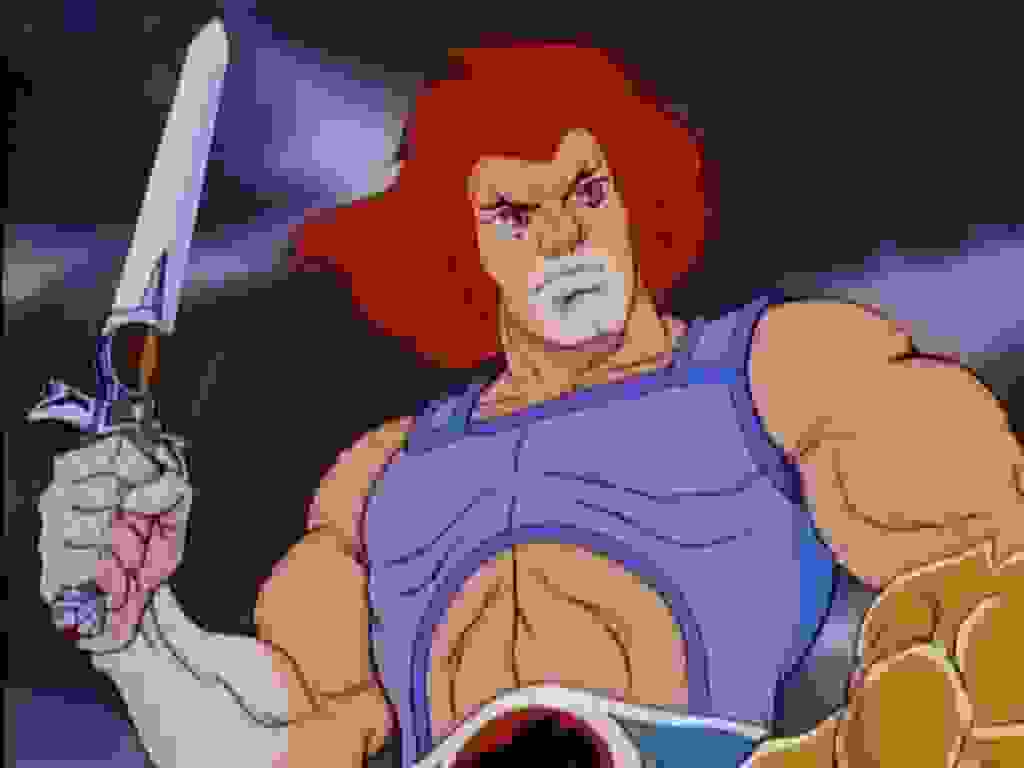
Or maybe anime isn’t any of these. It’s a genre that concerns stuff that Looks Like Anime™. You know it’s anime because it obeys the stylistic rules of “anime.”
So what about an entirely Korean production like Wonderful Days?

Or what about this Chinese-made movie that imitates the look of Studio Ghibli films, Big Fish & Begonia, or Fox Spirit Matchmaker, where people have swooshy hair and animal ears?
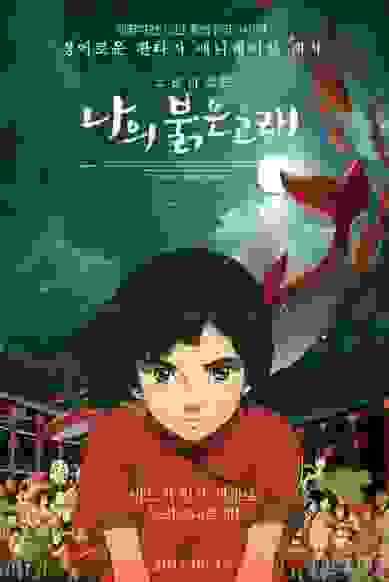

So it has to look like anime, but it can only be Japanese.
Does it have to be about Japanese culture? Because then, anime like Trigun and Black Lagoon belong not in the anime section on Netflix but under Western and Action.
Anime, as a “genre,” includes the following stories:
- A high-school basketball team based on the Bulls playing in the national Japanese championships (Slam Dunk)
- A kid playing the Chinese board game Go with the help of a thousand-year-old ghost (Hikaru no Go)
- A school where kids have special powers (which anime am I talking about?!)
- A murder mystery about a serial killer that looks like a child, primarily set in Europe/Germany (Monster)
- A melodrama about kids in a Jazz band in 1960s Japan (Kids on the Slope)
So then does that mean “Hollywood Film” is a genre? We can lump Casablanca, Friday the 13th, Transformers, Animal House, Room, and The Room into this one genre called “Hollywood Film.”
So here’s what we’re left with.
ThunderCats, an American cartoon, matches the standard constraints of anime more closely than Rilakkuma and Kaoru, a show made in Japan for Japanese audiences. As do the Chinese animated films listed above.
Anime isn’t a genre. It isn’t a medium. Rather, it’s an arbitrary list of movies and shows that the community agrees are anime, while other shows that fit the same rules the community uses are not considered to be anime.
So, what the hell is anime? I’ve watched hundreds of Japanese-produced animated films and television shows, and I still don’t know.
Anime doesn’t exist, anymore than you can say that there’s a correct for GIF.
For every rule that makes something anime, there’s an exception that fits those rules that isn’t anime, or something that doesn’t fit those rules but that most people would mistake for it. I’m reminded of the question that has plagued the video game community for the last few years: What makes a video game? Games like Gone Home and Depression Quest are derided as not qualifying because they don’t fit the idea that games have to have a win or lose state or a challenge to overcome, despite being interactive experiences experienced through an electronic medium. I’m not going to wade into that debate here, but there are just as many examples of contradiction there as here.
Anime as a term came from fans discovering Japanese-made animated shows and movies in the 1980s and 1990s looking for a universal term they could use to identify and communicate about the new thing they were all into.
The term was then coopted by the companies licensing and localizing these shows and movies, and it turned into a mutilated mash-up of genre and medium to help those companies, any airing TV channels, and now streaming services to market the product to the crowd that wants it.
It’s turned into an exclusionary term meant not to define what something is, but who likes it and who gets to like it. It’s an in-group and out-group thing. I’ve watched literally hundreds of anime in my life, and the definition isn’t any clearer.